Health literacy is the ability to find, understand, and use medical information. For older adults managing several conditions, that skill is part of staying safe at home.
Why this is harder than it looks
The National Assessment of Adult Literacy found that 71% of adults older than 60 had difficulty using print materials, 80% had difficulty with forms and charts, and 68% had difficulty interpreting numbers. Those gaps show up as missed appointments, mixed-up medications, and treatment plans that never quite happen.
The number of adults aged 65 and older is projected to reach 71.5 million by 2030. Clearer communication is not a courtesy. It is how care actually gets done.
Make the information usable
- Ask the clinician to explain the plan in everyday language, then repeat it back.
- Keep one current medication list, including over-the-counter products.
- Write appointment dates, locations, and what to bring in one place.
- Ask what each new prescription is for, and what should happen if a dose is missed.
- Bring a second person to visits when decisions are being made.
Keep the medication list, discharge papers, appointment schedule, and provider numbers together. Make sure everyone who helps knows where to find them.
How a Care Partner can close the gap
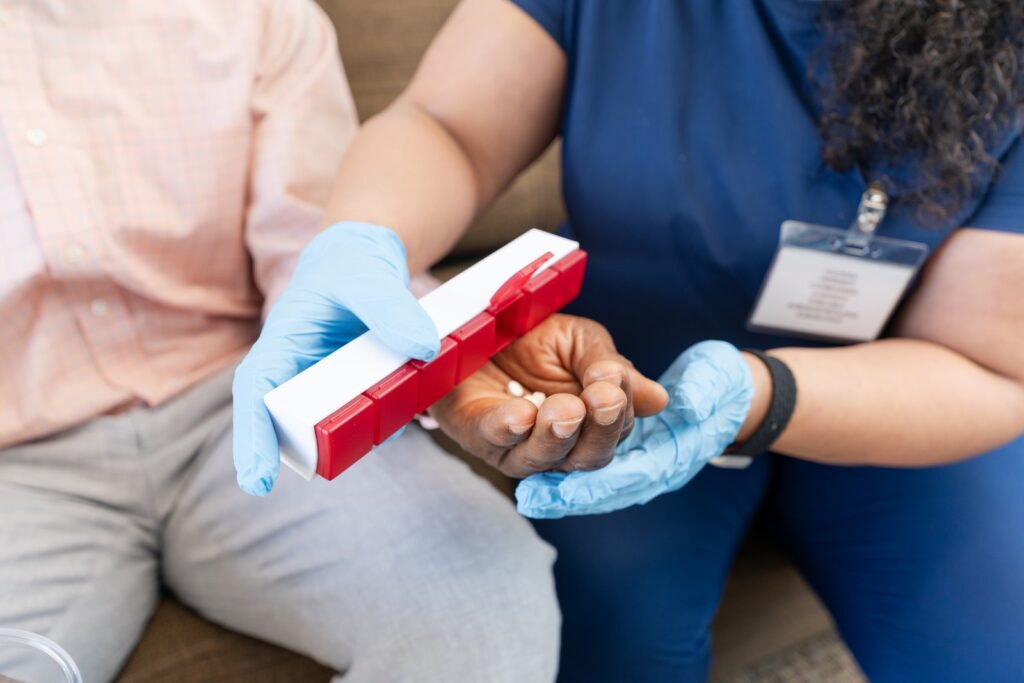
A Care Partner can help someone understand instructions, organize pills, and explain what an appointment is for before the car arrives. They can also carry questions between the family and the care team so important details do not stay in one person’s memory.
The goal is not to turn the home into a clinic. The goal is for the older adult to understand enough of the plan to stay involved in it.