
Familiar routines, respectful communication, meaningful engagement, personal care, and support for changing memory and behavior.
Disease-Specific & Post-Acute Care
Beyond caregiving—a personal path to safer recovery and better daily life.
We translate health goals into practical support at home for clients living with chronic or complex conditions and for those returning home after hospitalization or rehabilitation.
Our goal is to help clients get home, stay home, understand their symptoms, follow the plan, and regain confidence.
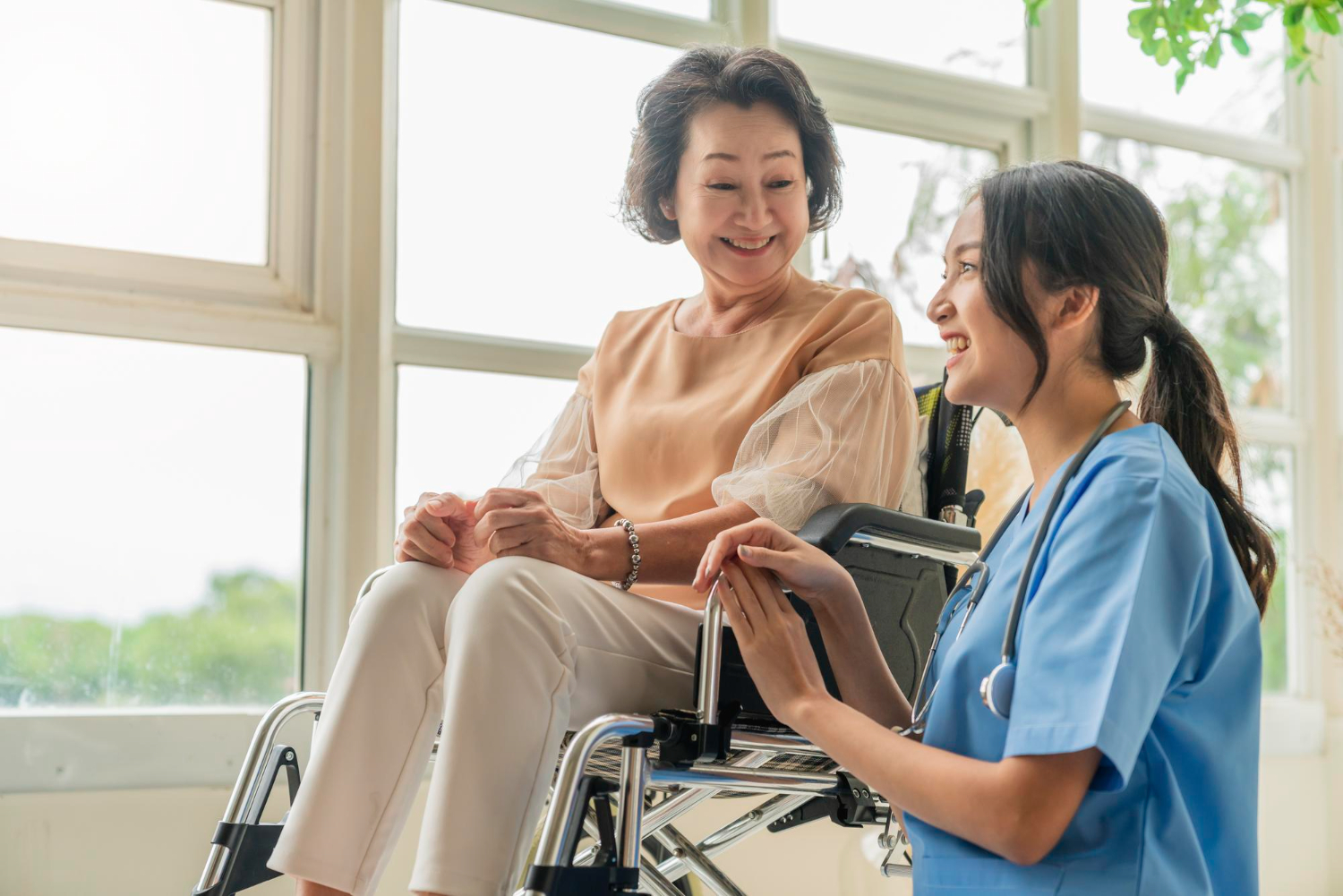
Disease-Specific & Post-Acute Care is for the first days and weeks after a hospital or rehabilitation stay, and for people living with dementia, Parkinson’s, heart failure, COPD, diabetes, stroke recovery, and other complex conditions. Care Partners carry the medical plan into daily life — medications, mobility, appointments, nutrition — and report changes. This does not replace a physician or Medicare home health.
Watch
A closer look at Disease-specific and post-acute care.
The bridge between a plan and daily life
A discharge plan only works when it can be carried into the home.
The first days and weeks after a hospital or rehabilitation stay can feel overwhelming. Families may be managing new medications, mobility limits, follow-up appointments, nutrition goals, equipment, and warning signs—all at once.
Our team helps organize the daily work of recovery. We reinforce the approved care plan, observe for meaningful changes, document the care provided, and communicate concerns so the right people can respond.
Conditions we commonly support
Care informed by the challenges of the diagnosis.
A diagnosis does not define the person. It does help us prepare the team, adapt communication, and watch the details that may affect safety and quality of life.
Mobility, cueing, exercise follow-through, fall-risk support, meal assistance, and help managing changing function.
Daily routine support, symptom observation, weights or vital signs when ordered, energy conservation, and early reporting of changes.
Meal and hydration support, medication reminders within scope, foot and skin awareness, and reinforcement of the care plan.
Safe mobility, personal care, home exercise follow-through, fall prevention, transportation, and help rebuilding confidence.
Personalized support for clients managing several diagnoses, changing symptoms, or a high level of family coordination.
Integrated geriatric care pathway
A structured process keeps care connected.
The pathway from our disease-specific care brochure remains central to the program. It gives each client a clear plan and creates accountability for monitoring, reassessment, and communication.
01
Referral and initial intake
02
Whole-person assessment
03
Wellness goal identification
04
Condition-informed care pathway
05
Coordinated care delivery
06
Reassessment and outcomes review
07
Reporting and collaboration
Disease-specific home care supports the medical plan but does not replace a physician, home health agency, emergency services, or skilled nursing when those services are required.
Also available
Other ways we can support your family.
These service lines work together. You can start with one and add another as needs change.
Aging in Place Support
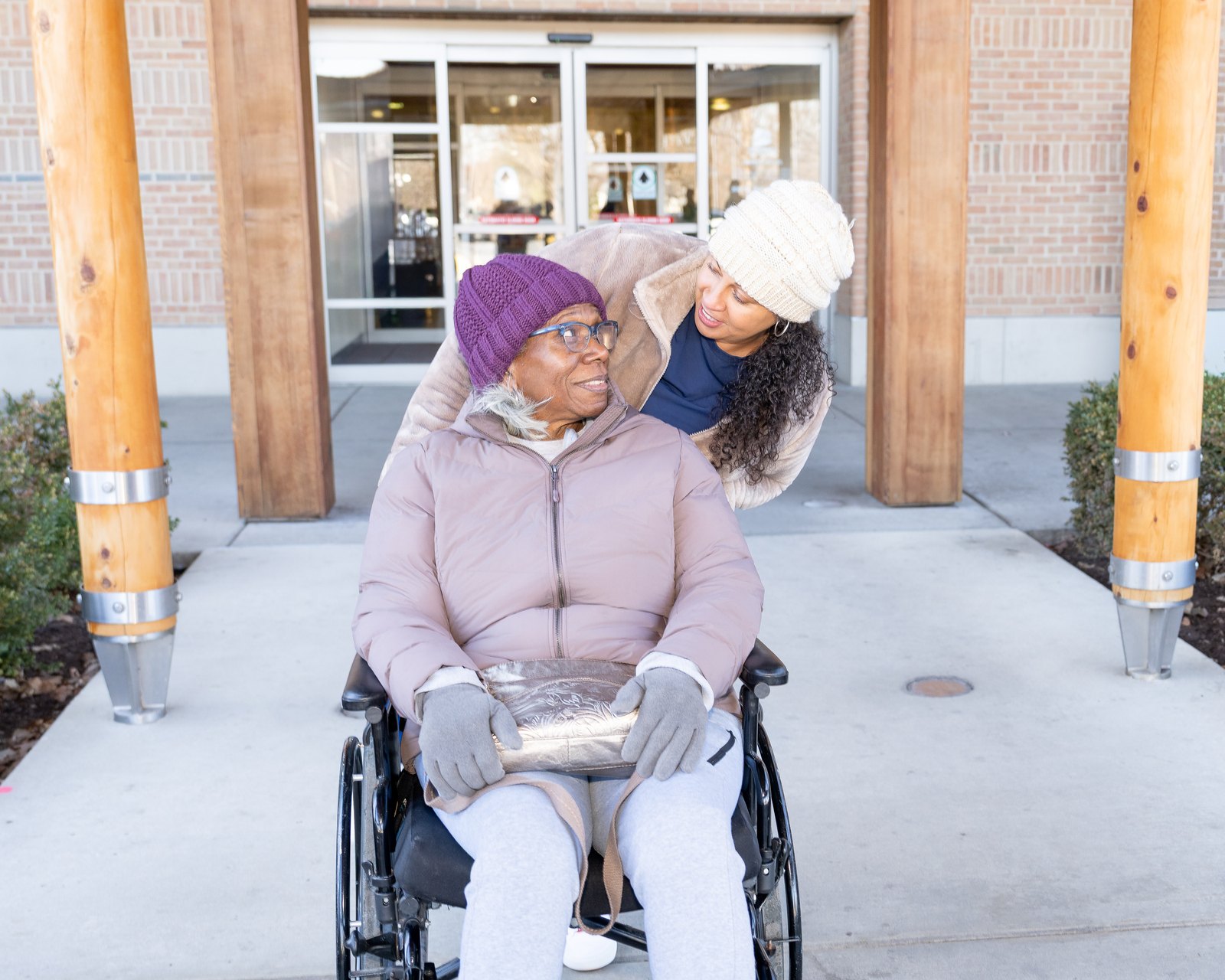
Flexible, relationship-centered help with daily life. We support personal care, mobility, meals, companionship, transportation, respite, overnight needs, and more—while protecting each client’s choices and routines.
Explore this service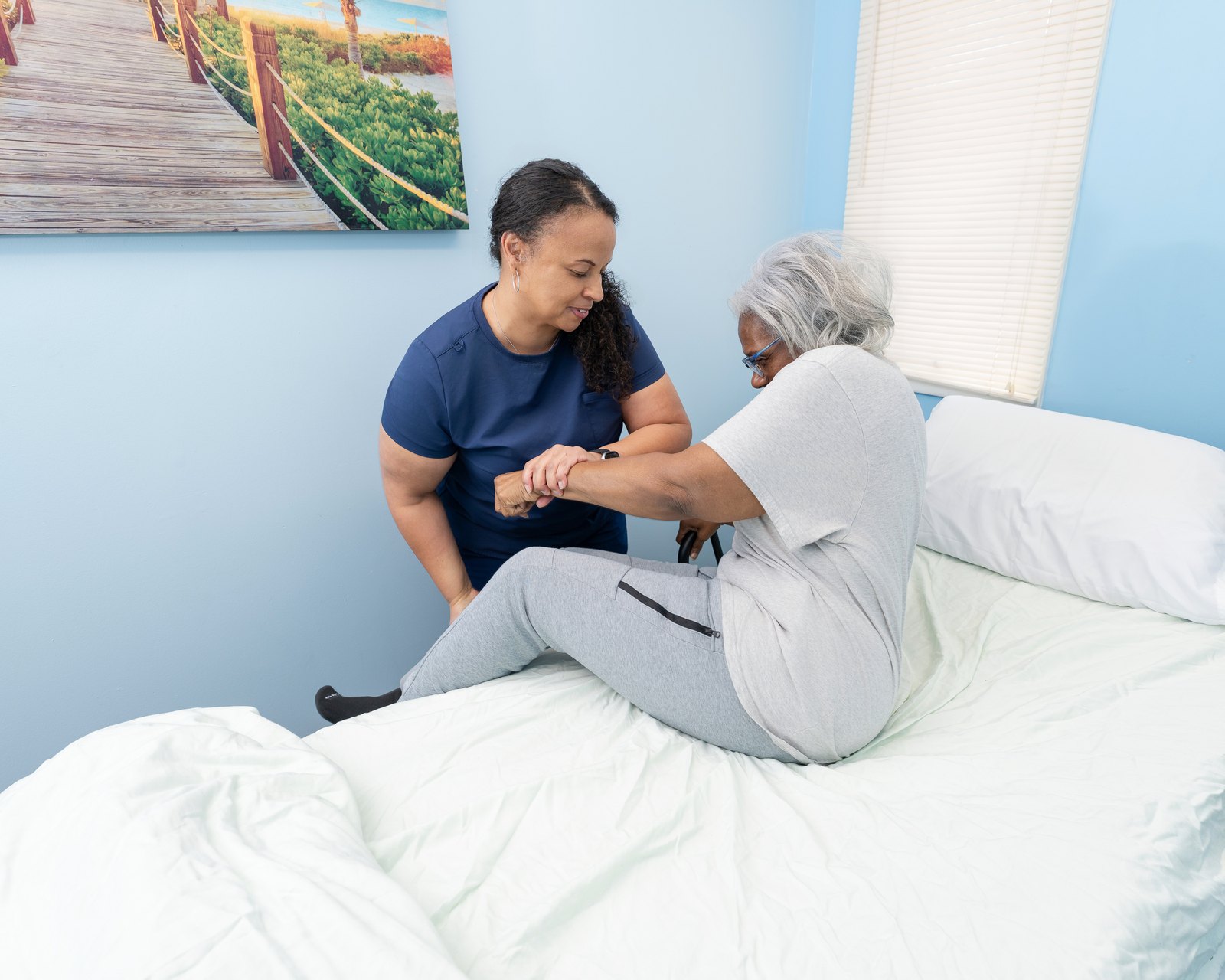
Private Duty Nursing
Skilled RN and LPN services for clients who need clinical care at home. Nursing support is planned around the provider’s orders, the client’s condition, and the family’s ability to manage care safely.
Explore this serviceQuestions families ask
Clear answers before you call.
Do you help after a hospital or rehabilitation stay?
Yes. Disease-Specific & Post-Acute Care is built for the first days and weeks at home — medications, mobility, appointments, nutrition, and watching for changes that need a call to the care team.
What conditions do you commonly support?
Dementia and Alzheimer’s, Parkinson’s and movement disorders, heart failure, COPD, diabetes, stroke and orthopedic recovery, and other complex or changing chronic illness.
Does this replace a doctor or home health agency?
No. This support carries the medical plan into daily life. It does not replace a physician, Medicare home health, emergency services, or skilled nursing when those are required.
How do you keep the family informed?
Care Partners observe and document. We report meaningful changes so the family and approved providers can respond. Communication is part of the pathway, not an extra.
Can we start with a few hours and add more later?
Yes. Hours follow the approved plan of care. Families often begin with focused visits after discharge and add overnight, live-in, or nursing support if recovery is slower than expected.
How is this paid for?
Care is typically private-pay. Some families use long-term care insurance or veteran benefits. We do not bill Medicare for these home-care services. Call 630-300-0446 and the team will explain options — we do not quote prices until we understand the situation.
Which counties do you serve?
Cook, Will, DuPage, Grundy, Kendall, Kane, and LaSalle counties, from offices in Bolingbrook and Morris, Illinois.
A caring conversation starts here
Complex conditions require clear, coordinated support.
Tell us about the diagnosis, the recent changes, and the family’s biggest concern. We will help you build a practical path forward.